

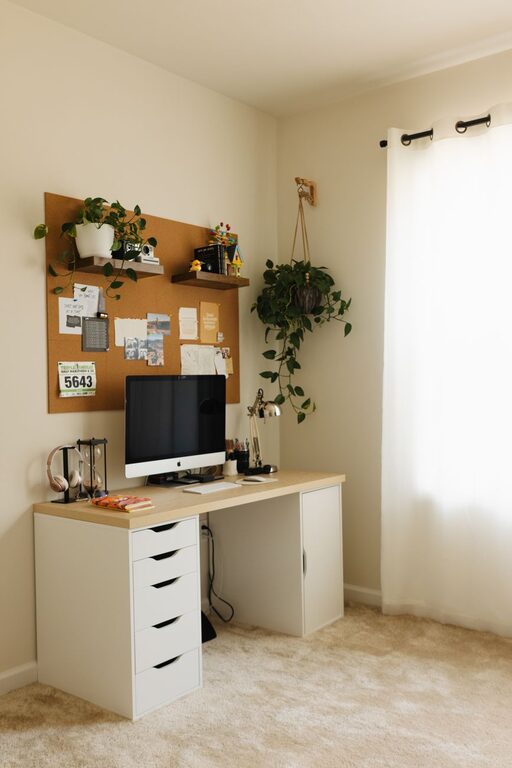
Creating a relaxing home office environment is essential for maintaining focus, reducing stress, and enhancing productivity. Whether you work full-time from home or occasionally need a quiet space, your workspace should feel inviting and comfortable. In this guide, we’ll explore practical tips to help you transform your home office into a calm haven that supports your work and wellbeing.
1. Choose the Right Location
Selecting the ideal spot for your home office sets the foundation for creating a relaxing environment. Consider these factors:
– Natural light: Position your desk near a window if possible. Natural light can boost mood and energy.
– Quiet area: Pick a space that is away from household noise and distractions.
– Ventilation: Fresh air circulation helps maintain concentration and comfort.
If you don’t have a dedicated room, try using room dividers or screens to create a defined office nook.
2. Prioritise Comfort with Ergonomic Furniture
Comfortable furniture is key to long hours of stress-free work. Look for:
– Ergonomic chair: Choose one with adjustable height, lumbar support, and cushioning to avoid strain.
– Desk height: Ensure your desk allows your elbows to be at a 90-degree angle when typing.
– Footrest: If your feet don’t touch the floor naturally, use a footrest for better posture.
Investing in ergonomic pieces prevents discomfort and helps you stay focused throughout the day.
3. Use a Soothing Colour Palette
Colours influence mood and can make your workspace feel more relaxing.
– Soft neutrals: Shades like pale grey, beige, or soft white create a calm backdrop.
– Cool tones: Light blues or greens evoke tranquility and may reduce anxiety.
– Avoid bright, overwhelming colours: Neon or overly saturated hues can be distracting.
You can incorporate colour through wall paint, accessories, or artwork.
4. Declutter and Organise Your Space
A tidy workspace reduces stress and allows you to concentrate better. Try these strategies:
– Minimalist setup: Keep only the essentials on your desk.
– Storage solutions: Use shelves, drawers, or boxes to organise supplies.
– Regular cleaning: Spend a few minutes at the end of each day clearing your work area.
An organised space helps your mind feel clearer and more in control.
5. Incorporate Personal Touches
Adding a few personal items can make your office feel more inviting without cluttering it.
– Plants: Indoor greenery improves air quality and brings a sense of calm.
– Artwork or photos: Choose images that inspire or make you happy.
– Soft textiles: Cushions or a cosy throw can add warmth to your chair.
Personal touches create an environment where you feel comfortable and motivated.
6. Control Lighting for Eye Comfort
Proper lighting reduces eye strain and enhances productivity.
– Task lighting: Use a desk lamp with adjustable brightness for focused work.
– Avoid glare: Position screens to minimise reflections from windows or lights.
– Warm lighting: Consider bulbs with warm light temperatures to create a cosy atmosphere.
Dimming options let you adjust the lighting according to the time of day.
7. Keep Technology Organised and Updated
Technology is essential but can become a source of stress if tangled or outdated.
– Cable management: Use clips or organisers to keep cords neat and out of sight.
– Regular updates: Keep your computer and apps updated to ensure smooth performance.
– Backup plans: Use cloud storage or external drives to secure your work.
A streamlined tech setup supports efficiency and reduces frustration.
8. Create Boundaries for Work-Life Balance
Even at home, setting boundaries can help you relax and switch off.
– Designated work hours: Stick to a schedule to avoid burnout.
– Break space: If possible, separate your work area from relaxation spots.
– End-of-day routine: Clear your desk or close your laptop to signal the workday’s end.
Clear boundaries promote mental wellbeing and help you enjoy downtime.
9. Use Calming Sounds or Silence
Sound environment influences concentration and stress levels.
– Noise-cancelling headphones: Block out distractions for focused work.
– Background music: Soft instrumental or nature sounds can be soothing.
– Silence: For some, quiet works best. Use earplugs or close doors as needed.
Experiment to find the sound setting that helps you relax and concentrate.
—
Final Thoughts
Creating a relaxing home office environment requires thoughtful planning and attention to detail. By choosing a quiet, well-lit location, incorporating ergonomic furniture, and keeping your space tidy with personal touches, you’ll build a workspace where both comfort and productivity thrive. Remember, your home office should be a place that invites calm and inspires your best work, every day.