

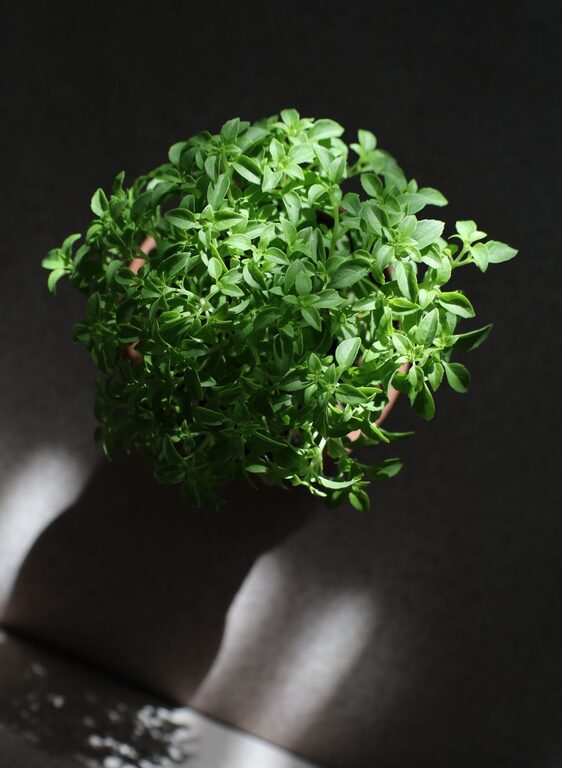
Starting a kitchen herb garden at home is a wonderful way to enjoy fresh flavours, save money, and add a touch of greenery to your living space. Whether you have a spacious garden or just a small windowsill, growing herbs indoors can be straightforward and rewarding. This guide covers the essentials to help you get started successfully.
Why Grow Herbs at Home?
Homegrown herbs provide fresh, aromatic ingredients for cooking, enhancing meals with vibrant tastes. They’re also easy to grow, require minimal space, and can improve your kitchen’s ambience. Plus, having herbs on hand reduces the need for store-bought, often packaged herbs, making your cooking more sustainable.
Choosing the Right Herbs
Some herbs are more beginner-friendly and well-suited for indoor growth. Here are some popular options:
– Basil: Great for Mediterranean dishes, thrives in warm, sunny spots.
– Parsley: Hardy and versatile, grows well in moderate light.
– Mint: Rapid grower; does well in pots but can spread quickly outdoors.
– Chives: Slightly onion-flavoured, prefers cooler temperatures.
– Thyme: Drought-tolerant and hardy, needs plenty of sunlight.
– Coriander (Cilantro): Likes cooler conditions and regular watering.
Select herbs you use often in your cooking to get the most benefit.
Selecting Suitable Containers
Containers don’t need to be fancy, but they must have drainage holes to prevent waterlogging. Consider:
– Size: Generally, pots 10–15 cm deep work well for herbs.
– Material: Terracotta pots are breathable, which helps prevent root rot, but plastic pots retain moisture longer.
– Shape: Wide and shallow pots suit herbs with shallow roots; deeper pots are needed for others.
If you have limited space, vertical planters or window boxes can maximise growing area.
Soil and Compost
Use a good quality, well-draining potting mix designed for indoor plants or herbs. Avoid garden soil as it can be too heavy and may contain pests or diseases. Mixing in some compost helps provide nutrients, but avoid over-fertilising, which can cause leaves to lose flavour.
Light Requirements
Most herbs need plenty of natural light to thrive — ideally 4-6 hours of direct sunlight each day:
– Windowsills: South-facing windows are best in the UK, but east- or west-facing windows can also work.
– Supplementary Lighting: If natural light is limited, consider using LED grow lights to support healthy growth.
Make sure to rotate pots regularly to ensure even exposure.
Watering Your Herbs
Proper watering is crucial. Overwatering is a common mistake that leads to root rot. Here’s how to manage:
– Check soil moisture by touching it; water when the top centimetre feels dry.
– Water thoroughly until it drains through the bottom, then empty any excess water from saucers.
– Herbs like thyme and rosemary prefer slightly drier soil, while mint and basil need more frequent watering.
Temperature and Humidity
Most kitchen herbs prefer temperatures around 18–22°C. Avoid placing pots near cold draughts or heat sources like radiators. Opening a window occasionally helps prevent stale air. If your home is dry, especially in winter, misting your herbs or using a humidity tray can help.
Feeding Your Herbs
Herbs benefit from occasional feeding during the growing season:
– Use a balanced, water-soluble fertiliser every 4–6 weeks.
– Avoid overfeeding to maintain good flavour and avoid weak growth.
– Organic options, such as seaweed fertiliser or compost tea, are gentle and effective.
Pruning and Harvesting
Regular harvesting encourages bushy, healthy growth:
– Snip leaves from the tips rather than pulling stems.
– Harvest in the morning after the dew has dried for best flavour.
– Avoid taking more than one-third of the plant at a time to prevent stress.
– Remove any flowers promptly, as flowering can reduce leaf quality.
Common Challenges and Troubleshooting
Growing herbs indoors can come with some challenges:
– Pests: Aphids, spider mites, and whiteflies are occasional visitors. Wipe leaves or use insecticidal soap if needed.
– Leggy Growth: Means your herbs need more light; try moving them to a brighter spot.
– Yellowing Leaves: Could be due to overwatering or nutrient deficiencies.
– Slow Growth: Check light, water, and fertiliser levels.
Additional Tips for Success
– Use labels to keep track of your herbs.
– Consider companion planting to deter pests naturally.
– Rotate your pots to avoid overheating one side.
– Experiment with different varieties to find what grows best in your home.
Conclusion
Starting a small kitchen herb garden is an enjoyable and practical project with many benefits. By selecting the right herbs, containers, and paying attention to light, water, and care, you can cultivate a thriving indoor garden that enriches your cooking and your home atmosphere. Happy gardening!